Studying Biodiversity During a Picnic at Appa Lake
A picnic at Appa Lake is not only a time for relaxation and family bonding but also a wonderful opportunity to observe and understand nature up close. Surrounded by greenery, calm waters, and open skies, Appa Lake offers a living classroom where visitors can experience biodiversity in its natural setting.
A Natural Learning Environment
Appa Lake supports a diverse ecosystem that includes plants, birds, insects, and aquatic life. During a picnic, visitors can easily notice different species of trees, flowering plants, and grasses that help maintain the lake’s ecological balance. This natural environment encourages curiosity and observation, making learning both engaging and enjoyable.
Birdlife Around the Lake
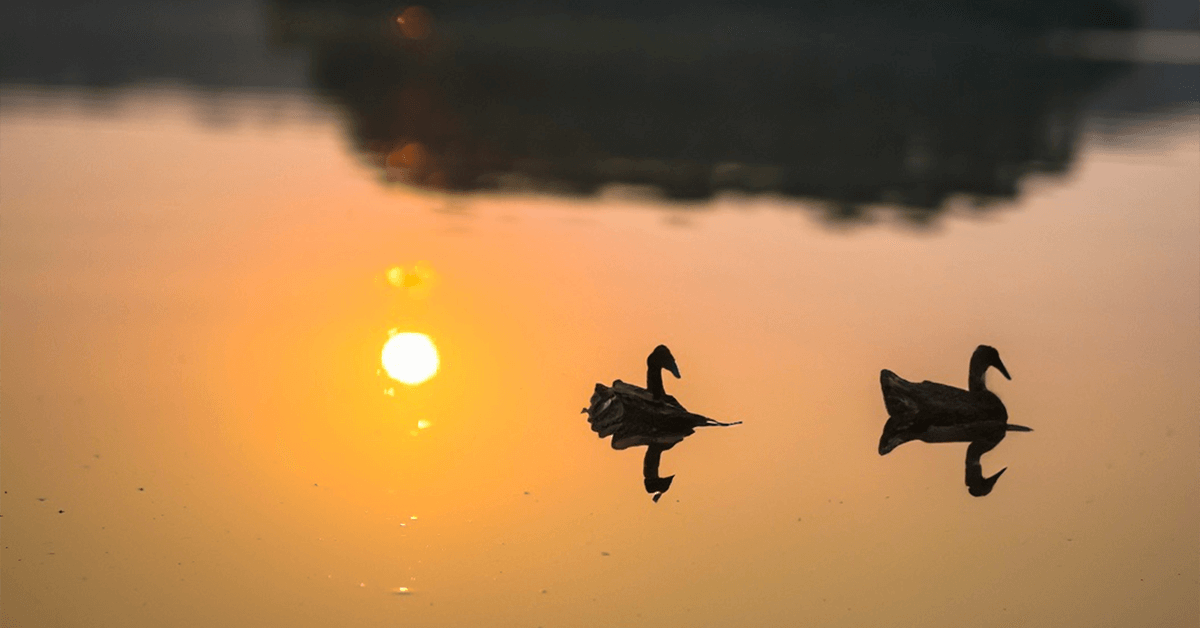
One of the most fascinating aspects of Appa Lake is its bird population. Various native and migratory birds can be seen resting near the water or flying across the lake. Watching birds during a picnic helps visitors understand their behavior, feeding habits, and role in the ecosystem. It is especially beneficial for children, as it nurtures awareness and appreciation for wildlife.
Aquatic Life and the Lake Ecosystem
The lake itself supports aquatic organisms such as fish and small water creatures that contribute to a healthy ecosystem. Observing the water surface, plant growth along the edges, and natural water movement helps visitors learn how lakes support life and maintain environmental balance.
Educational Value for Families and Students
Picnics at Appa Lake offer an excellent learning experience for families, students, and nature enthusiasts. Children can learn the importance of conservation, biodiversity, and environmental responsibility in a practical and memorable way. Schools and educational groups can also use such outings to introduce basic ecological concepts outside the classroom.
Encouraging Environmental Awareness
Spending time in a biodiverse environment helps visitors understand the importance of protecting natural habitats. Simple practices such as avoiding litter, respecting plant life, and maintaining cleanliness contribute to preserving the lake’s ecosystem for future generations.
Enquiry